Providence, Rhode Island, is home to a vibrant community of interior architectural design firms that specialize in creating innovative spaces for commercial and hospitality sectors. These firms are known for their ability to blend functionality with aesthetic appeal, ensuring that each project meets the unique needs of their clients. In this article, we will explore the various services offered by these firms, how they tailor designs for local businesses, and the key features that define sustainable commercial interior architecture. Additionally, we will delve into the characteristics of hospitality interior architects in Rhode Island and examine current trends in hospitality design.
Which Commercial Interior Design Services Are Offered by Providence Firms?
Interior design firms in Providence offer a wide range of commercial interior design services tailored to meet the specific needs of businesses. These services include space planning, furniture selection, and the integration of branding elements into the design. By focusing on the unique requirements of each client, these firms create environments that enhance productivity and reflect the brand’s identity.
| Service Type | Description | Examples |
|---|---|---|
| Space Planning | Organizing the layout of a space to optimize functionality and flow | Office layouts, retail spaces |
| Furniture Selection | Choosing furniture that complements the design and meets client needs | Custom desks, ergonomic chairs |
| Branding Integration | Incorporating brand elements into the design to create a cohesive identity | Logo placement, color schemes |
This comprehensive approach ensures that businesses in Providence can create spaces that not only look great but also function effectively.
How Do Firms Tailor Office Space Designs for Rhode Island Businesses?
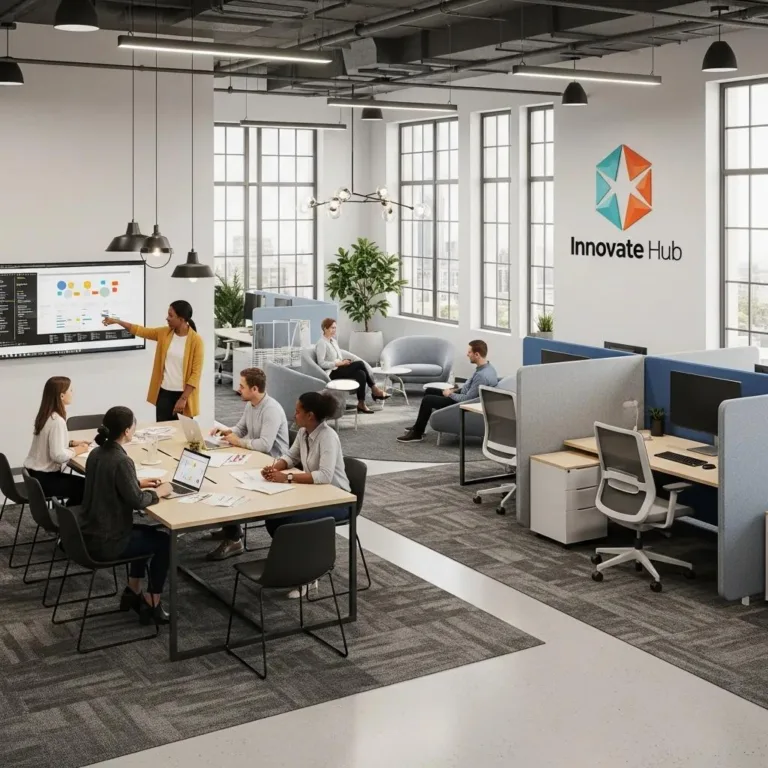
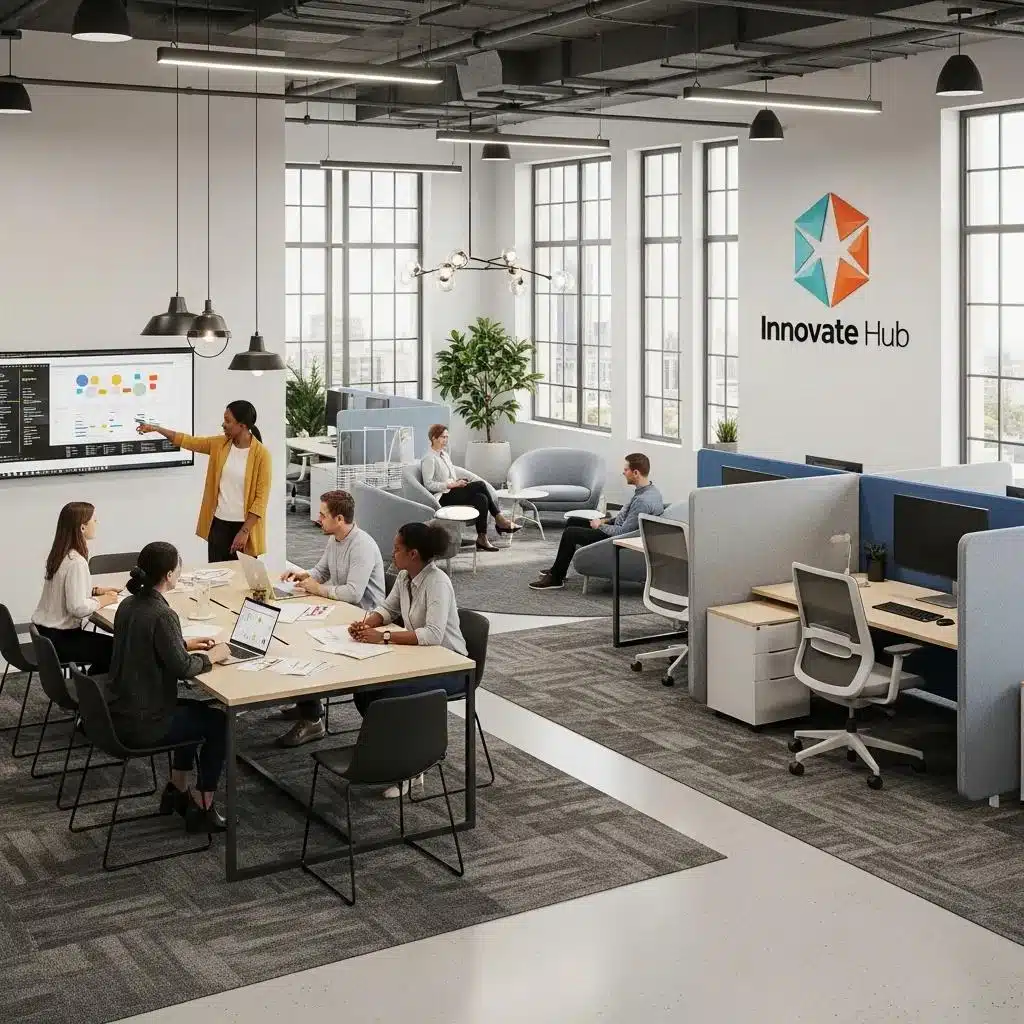
Firms in Providence understand that office space design must cater to the specific needs of local businesses. They consider factors such as company culture, employee workflow, and the nature of the work being performed. By engaging with clients throughout the design process, these firms can create customized solutions that enhance employee satisfaction and productivity.
For instance, open-plan offices may be designed to foster collaboration, while private workspaces can be created for tasks requiring concentration. This tailored approach ensures that the final design aligns with the company’s goals and enhances the overall work environment.
The ongoing discussion around open-plan offices and their impact on employee satisfaction is a critical consideration for modern design firms, as highlighted by recent research.
IoT-Driven Adaptive Design for Modern Commercial Offices The evolution of workplace environments has intensified the scrutiny of open-plan offices. The design paradigm of emphasising collaboration and sense of community within workplace has celebrated its facilitation of collaboration, providing open-plan office layout as example of collaborative space. Yet it has diminished individual comfort and privacy that are strengthened in enclosed-plan office layout. Studies revealed the demand of understanding occupant’s satisfaction. Since 85%-90% of one’s time is spent in indoor environment mostly at work, occupant’s satisfaction of physical environment or surroundings should be taken into count. This article proposes a comprehensive conceptual framework that leverages Internet of Things (IoT) technologies to enable adaptive spatial design within open-plan corporate offices. Toward a Conceptual Framework for IoT-Driven Adaptive Spatial Design in Open-Plan Office
What Are Key Features of Sustainable Commercial Interior Architecture?
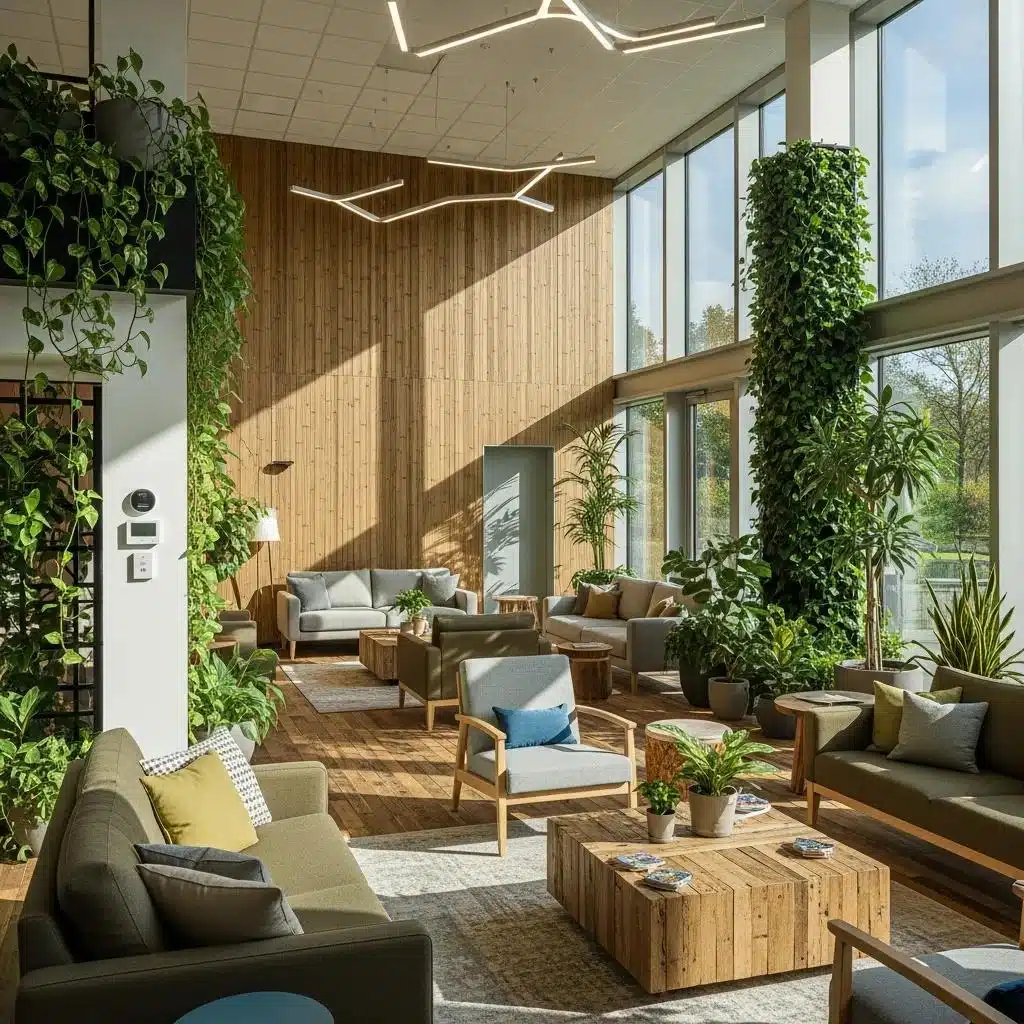
Sustainable commercial interior architecture focuses on minimizing environmental impact while maximizing efficiency and comfort. Key features of this approach include the use of sustainable materials, energy-efficient systems, and designs that promote natural light and ventilation.
By prioritizing sustainability, firms contribute to environmental conservation and create healthier spaces for occupants. This commitment to sustainable design is increasingly important as businesses seek to reduce their carbon footprint and appeal to environmentally conscious consumers.
What Defines Hospitality Interior Architects in Rhode Island?
Hospitality interior architects in Rhode Island are characterized by their innovative design principles and a deep understanding of the hospitality industry. They focus on creating inviting and functional spaces that enhance the guest experience.
These architects often collaborate closely with clients to ensure that the design reflects the brand’s identity and meets the specific needs of the target audience. Their expertise in hospitality design allows them to create environments that are not only aesthetically pleasing but also practical and efficient.
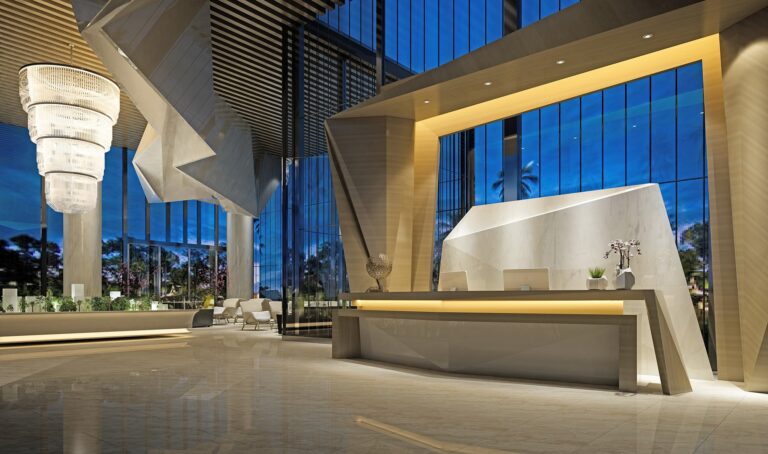
For example, successful projects may include hotels that feature unique lobby designs or restaurants that incorporate open kitchens to enhance the dining experience.
How Do Designers Enhance Hotel and Restaurant Interiors in Providence?
Designers in Providence employ various techniques to enhance hotel and restaurant interiors, focusing on elements that improve guest experience. This includes the use of high-quality materials, thoughtful lighting, and strategic layout planning.
By creating spaces that are both functional and visually appealing, designers can significantly impact how guests perceive and interact with the environment. For instance, incorporating local art and culture into the design can create a sense of place and connection for visitors.
What Are Current Trends in Hospitality Design for Rhode Island?
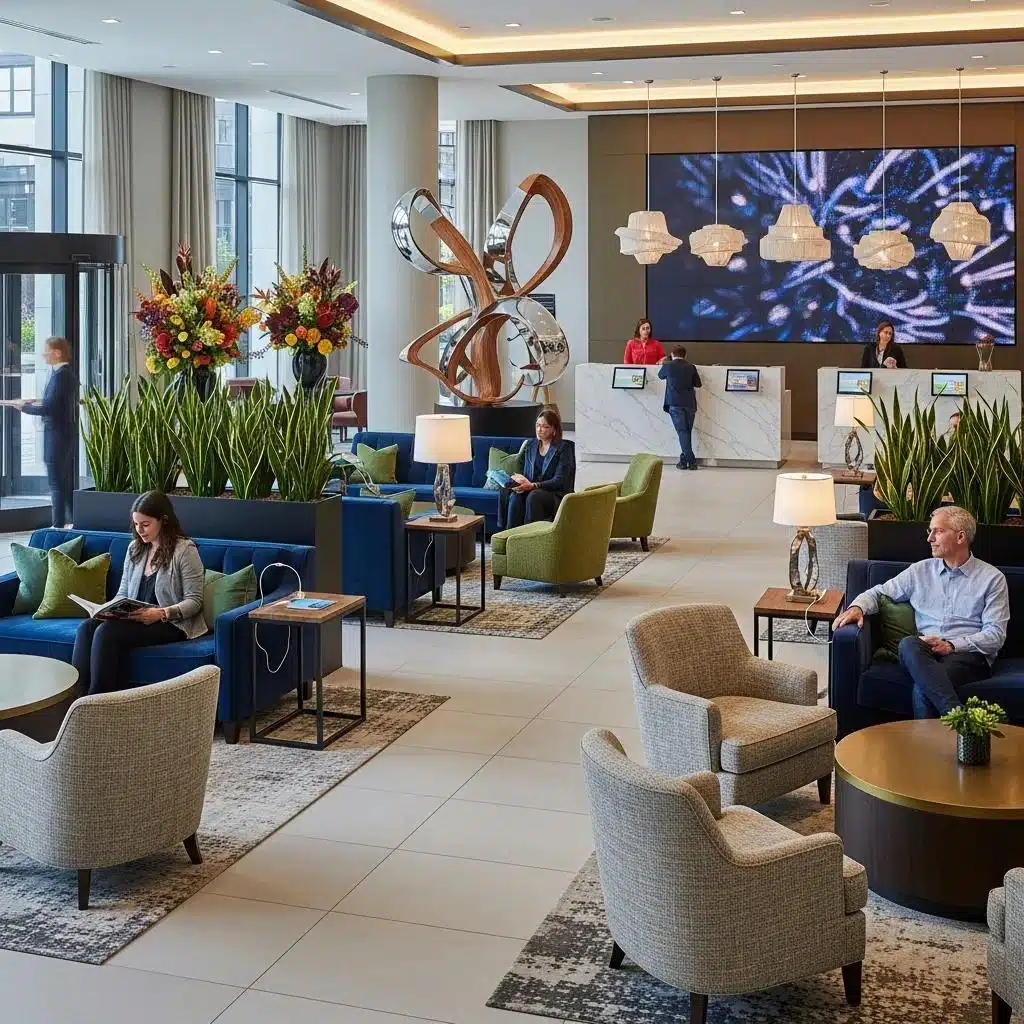
Current trends in hospitality design for Rhode Island reflect a growing emphasis on sustainability, technology integration, and personalized experiences. Designers are increasingly incorporating eco-friendly materials and energy-efficient systems into their projects, aligning with the values of modern consumers.
Additionally, technology plays a crucial role in enhancing guest experiences, with features such as mobile check-in and smart room controls becoming more common. Personalization is also key, as guests seek unique experiences that cater to their individual preferences.
How Do Providence Firms Approach Educational Facility Interior Architecture?
When it comes to educational facility interior architecture, Providence firms focus on creating environments that foster learning and collaboration. This involves designing spaces that are flexible and adaptable to various teaching methods and learning styles.
Key considerations include incorporating natural light, creating comfortable seating areas, and providing access to technology. By prioritizing these elements, designers can create educational spaces that enhance student engagement and support effective learning.
What Design Solutions Address Challenges in Rhode Island Schools?
Design challenges in Rhode Island schools often revolve around creating safe, functional, and inspiring environments for students. Solutions may include the use of durable materials that withstand wear and tear, as well as designs that promote visibility and safety.
Additionally, incorporating outdoor learning spaces and flexible classrooms can enhance the educational experience. By addressing these challenges, designers can create schools that not only meet regulatory requirements but also inspire students and educators alike.
Why Choose Providence Interior Architects for Modern Interior Architecture?
Choosing Providence interior architects for modern interior architecture offers several advantages. These firms possess a deep understanding of local culture and design trends, allowing them to create spaces that resonate with the community.
Their expertise in various sectors, including commercial, hospitality, and educational design, ensures that clients receive tailored solutions that meet their specific needs. Furthermore, many firms in Providence have established strong relationships with local contractors and suppliers, facilitating smoother project execution.
What Makes Providence Firms Stand Out in Modern Design?
Providence firms stand out in modern design due to their innovative approaches and commitment to client satisfaction. They prioritize collaboration and communication throughout the design process, ensuring that clients are involved and informed at every stage.
Additionally, these firms often embrace cutting-edge technology and design practices, allowing them to create spaces that are not only visually stunning but also functional and efficient. This dedication to excellence sets Providence firms apart in the competitive landscape of interior architecture.
How Do Firms Integrate Client Needs Across Commercial and Public Sectors?
Firms in Providence excel at integrating client needs across both commercial and public sectors by employing a collaborative approach. They engage with stakeholders to understand their requirements and objectives, ensuring that the final design aligns with their vision.
This process often involves conducting workshops and feedback sessions, allowing clients to express their preferences and concerns. By prioritizing client input, firms can create spaces that truly reflect the needs and aspirations of the community they serve.